My work evokes the sense of balance that nature provides.
My work evokes the sense of balance that nature provides.
~Nancy Ivers
~Nancy Ivers
My work evokes the sense of balance that nature provides.
~Nancy Ivers
Ivers’s art finds its genesis in a deep commitment to the meaning of humanity, the sacredness of the human encounter, and the power of energy to heal.
Ivers’s art finds its genesis in a deep commitment to the meaning of humanity, the sacredness of the human encounter, and the power of energy to heal.
Nancy Ivers is a New York-based painter and sculptor whose work explores the boundary between physical reality and spiritual transformation. Her pieces are neither fully abstract nor traditionally figurative. Drawing on her diverse background and training, including a Ph.D. in Psychology, her work brings together psychology, philosophy and mysticism, leading viewers to contemplate the mystery and nature of their personal reality.
Nancy Ivers is a New York-based painter and sculptor whose work explores the boundary between physical reality and spiritual transformation. Her pieces are neither fully abstract nor traditionally figurative. Drawing on her diverse background and training, including a Ph.D. in Psychology, her work brings together psychology, philosophy and mysticism, leading viewers to contemplate the mystery and nature of their personal reality.
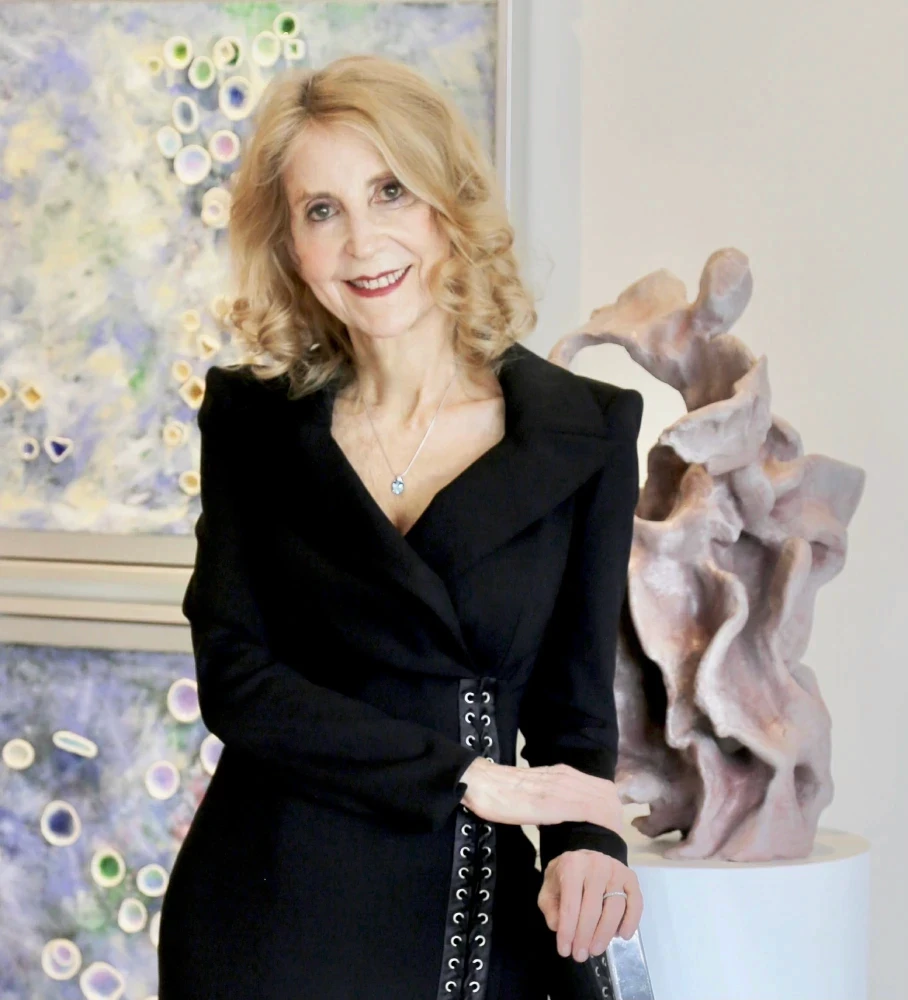
Nancy Ivers
Nancy Ivers
I am gratified that the work has found a real resonance, appearing in multiple shows and residing in private collections around the world.
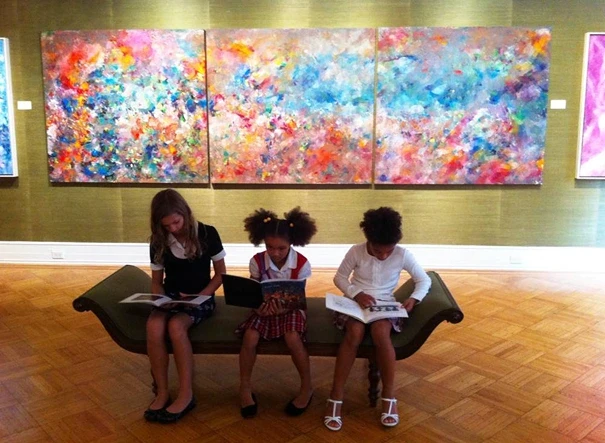
Landscape, 2010, 3 pieces, each 56 x 61 in. Mark Murray Gallery, New York 2013.
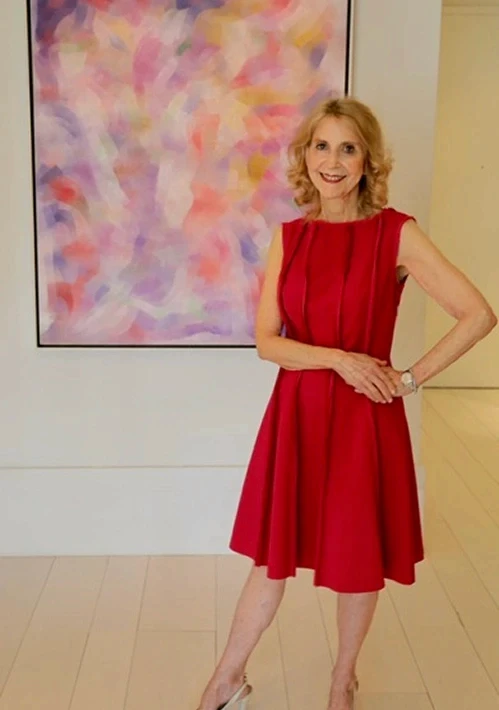
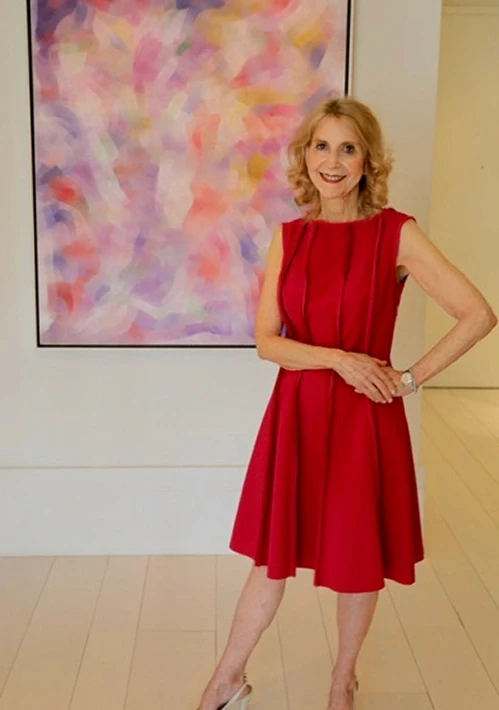
Nancy in front of Healing Light, 1988, oil on canvas, 50 x 42 in.
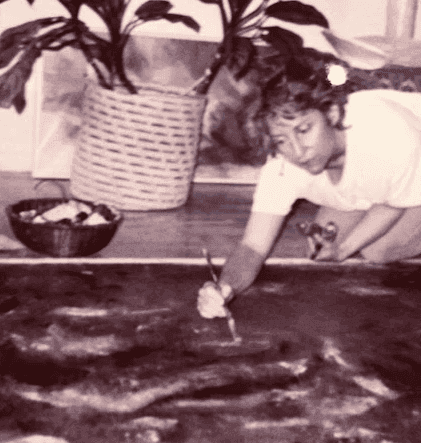
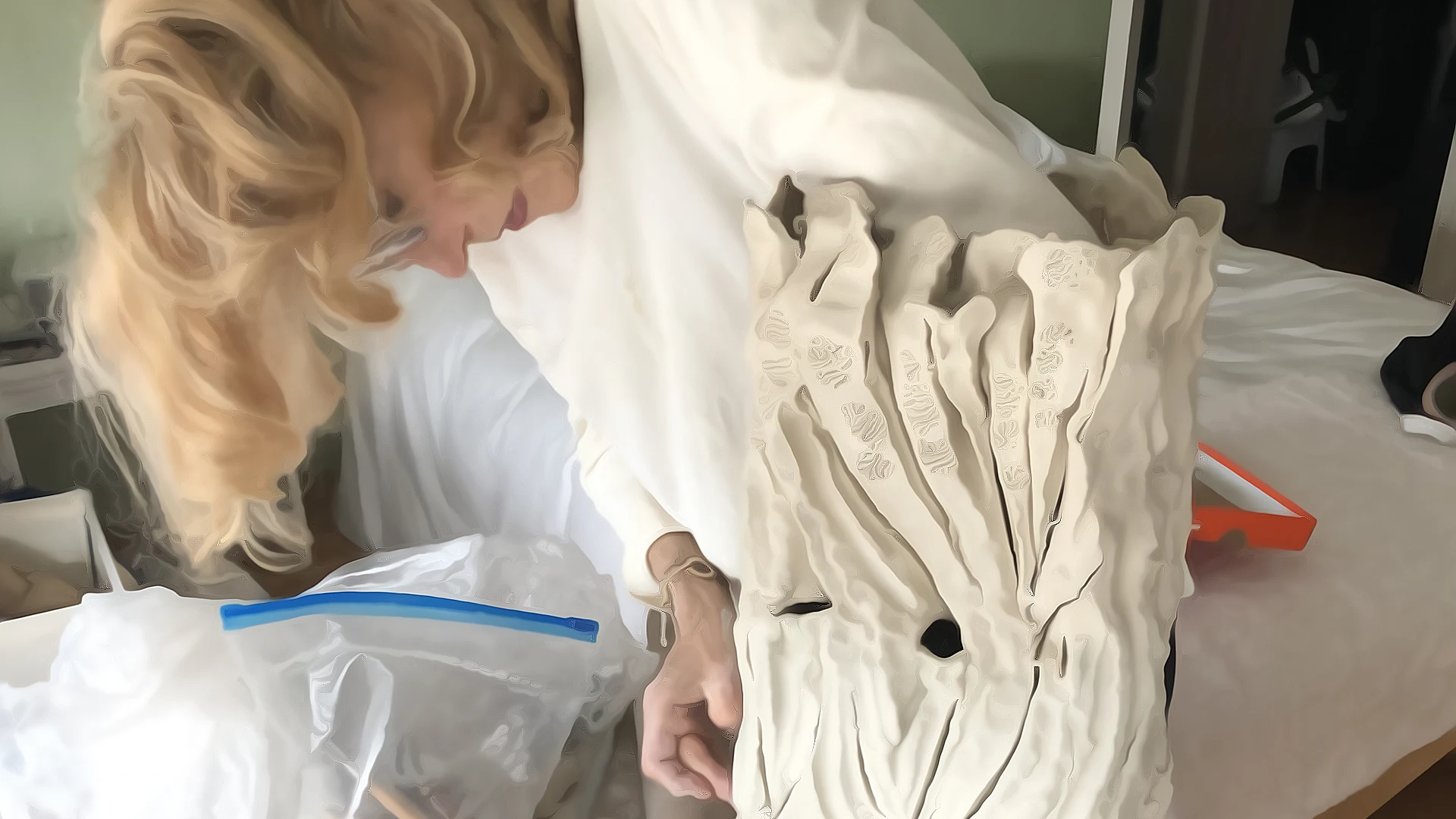
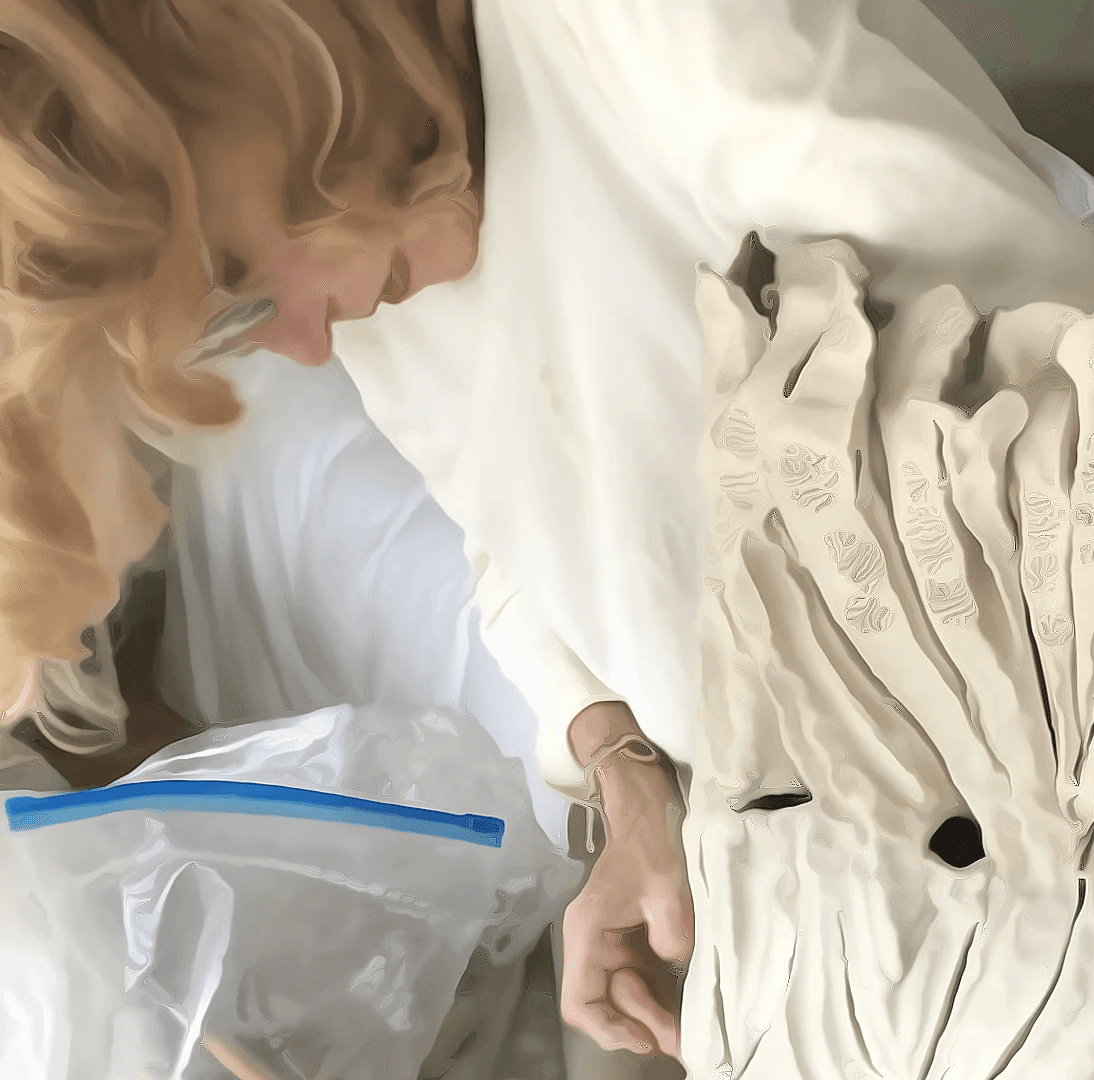
Nancy working on Rainforest, 1992.
Over the next two decades I found small bits of time as a single working mother, with a 2 and 3 year old, to explore my art, working primarily in clay.
I began to realize that my creative imagination was moving forward excitedly. Images were dancing out of my mind. I found a new direction that I couldn’t suppress.While registered for my Ph.D., and entitled to free courses on campus, I headed to the art department. I built on my technique and began experimenting with 3-dimensional forms in clay and porcelain. I eventually returned to the canvas, painting freely, gradually finding my voice and creating work that was truly mine.
Nancy working on Rainforest, 1992.
Over the next two decades I found small bits of time as a single working mother, with a 2 and 3 year old, to explore my art, working primarily in clay.
I began to realize that my creative imagination was moving forward excitedly. Images were dancing out of my mind. I found a new direction that I couldn’t suppress.While registered for my Ph.D., and entitled to free courses on campus, I headed to the art department. I built on my technique and began experimenting with 3-dimensional forms in clay and porcelain. I eventually returned to the canvas, painting freely, gradually finding my voice and creating work that was truly mine.
The past reached forward through the floodwaters, offering me a relic and a reminder of the early part of my journey.
In 1972, Hurricane Agnes destroyed my family home in Wilkes-Barre, along with all my early work and university art—oils, watercolors, pastels, textiles, ceramics. Only one piece survived: a high school painting of two Rabbis, created by copying a Dutch master using primary colors only. This exercise taught me to mix colors and create from limited sources. The painting had been gifted to my grandfather in another town, sparing it from the flood. It remains both a relic and a quiet reminder of where it all began.
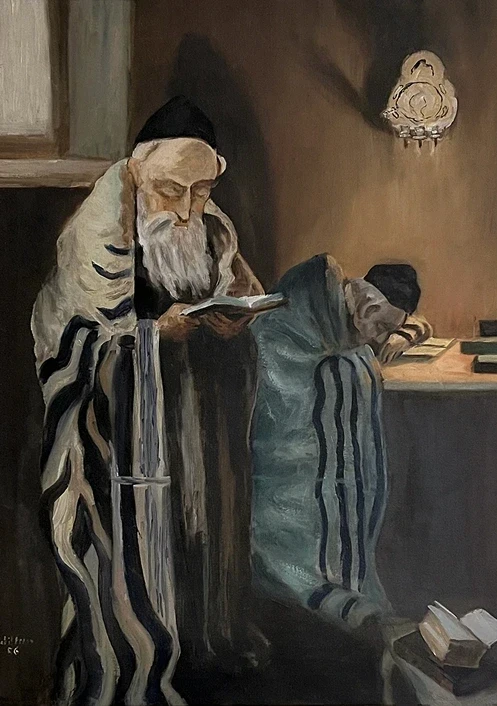
The only piece that survived Hurricane Agnes. Two Rabbis, 1956, oil on canvas board, 20 x 16 in.
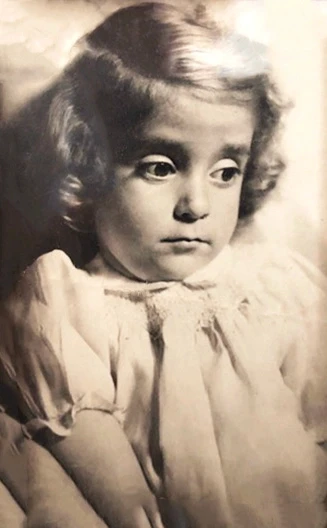
Nancy as a young girl.
Nancy as a young girl.
I was always making art. As far back as I can remember my mind was full of colors, forms and shapes.
I was always making art. As far back as I can remember my mind was full of colors, forms and shapes.
And my teachers nourished this enthusiasm. Beginning in second grade I was asked to decorate the Valentine box, using cutout forms and colors. By age 11, motivated by the images I consistently drew and constructed,my teacher encouraged my mother to give me art lessons.
Each time I brought a painting home, my mother would find a place for it in the house, resulting essentially in a gallery along the walls of the house.
And my teachers nourished this enthusiasm. Beginning in second grade I was asked to decorate the Valentine box, using cutout forms and colors. By age 11, motivated by the images I consistently drew and constructed,my teacher encouraged my mother to give me art lessons.
Each time I brought a painting home, my mother would find a place for it in the house, resulting essentially in a gallery along the walls of the house.
I was always making art. As far back as I can remember my mind was full of colors, forms and shapes.
Nancy as a young girl.
I was always making art. As far back as I can remember my mind was full of colors, forms and shapes.
And my teachers nourished this enthusiasm. Beginning in second grade I was asked to decorate the Valentine box, using cutout forms and colors. By age 11, motivated by the images I consistently drew and constructed,my teacher encouraged my mother to give me art lessons.
Each time I brought a painting home, my mother would find a place for it in the house, resulting essentially in a gallery along the walls of the house.
I was always making art. As far back as I can remember my mind was full of colors, forms and shapes.
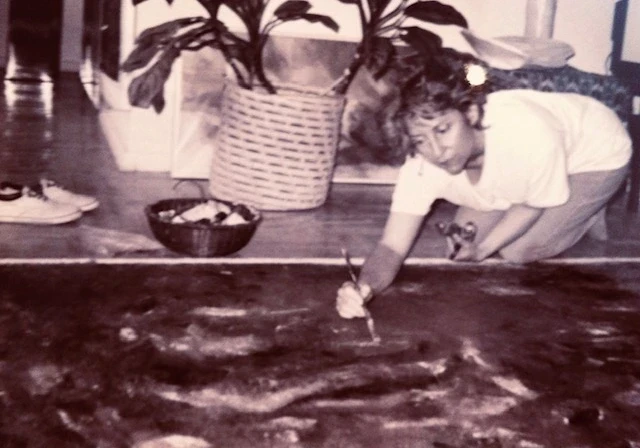
Nancy working on Rainforest, 1992.
Over the next two decades I found small bits of time as a single working mother, with a 2 and 3 year old, to explore my art, working primarily in clay.
I began to realize that my creative imagination was moving forward excitedly. Images were dancing out of my mind. I found a new direction that I couldn’t suppress.While registered for my Ph.D., and entitled to free courses on campus, I headed to the art department.
I built on my technique and began experimenting with 3-dimensional forms in clay and porcelain. I eventually returned to the canvas, painting freely, gradually finding my voice and creating work that was truly mine.
Nancy working on Rainforest, 1992.
Over the next two decades I found small bits of time as a single working mother, with a 2 and 3 year old, to explore my art, working primarily in clay.
I began to realize that my creative imagination was moving forward excitedly. Images were dancing out of my mind. I found a new direction that I couldn’t suppress.While registered for my Ph.D., and entitled to free courses on campus, I headed to the art department.
I built on my technique and began experimenting with 3-dimensional forms in clay and porcelain. I eventually returned to the canvas, painting freely, gradually finding my voice and creating work that was truly mine.
The past reached forward through the floodwaters, offering me a relic and a reminder of the early part of my journey.
In 1972, Hurricane Agnes brought the worst flood in Susquehanna River history, destroying my family home in Wilkes-Barre along with all of my early work, as well as the art created while at university—oils, watercolors, pastels, textiles, ceramics. Years later, I learned that one piece had survived, a painting done in high school of two Rabbis.
My teacher had directed me to copy an existing artwork. I chose a work of a Dutch master, working with a limited palate of primary only colors. I learned from this method how to mix colors and create a world from limited sources. That small painting is all that remains from that time. It had been a gift to my grandfather who lived in a different town, Saved from the floodwaters. It is both a relic and a quiet reminder of where it all began.
The only piece that survived Hurricane Agnes. Two Rabbis, 1956, oil on canvas board, 20 x 16 in.
The past reached forward through the floodwaters, offering me a relic and a reminder of the early part of my journey.
In 1972, Hurricane Agnes brought the worst flood in Susquehanna River history, destroying my family home in Wilkes-Barre along with all of my early work, as well as the art created while at university—oils, watercolors, pastels, textiles, ceramics. Years later, I learned that one piece had survived, a painting done in high school of two Rabbis. My teacher had directed me to copy an existing artwork. I chose a work of a Dutch master, working with a limited palate of primary only colors. I learned from this method how to mix colors and create a world from limited sources.
That small painting is all that remains from that time. It had been a gift to my grandfather who lived in a different town, Saved from the floodwaters. It is both a relic and a quiet reminder of where it all began.
Nancy Ivers is a New York-based painter and sculptor whose work explores the boundary between physical reality and spiritual transformation. Her pieces are neither fully abstract nor traditionally figurative. Drawing on her diverse background and training, including a Ph.D. in Psychology, her work brings together psychology, philosophy and mysticism, leading viewers to contemplate the mystery and nature of their personal reality.
Ivers’s art finds its genesis in a deep commitment to the meaning of humanity, the sacredness of the human encounter, and the power of energy to heal.
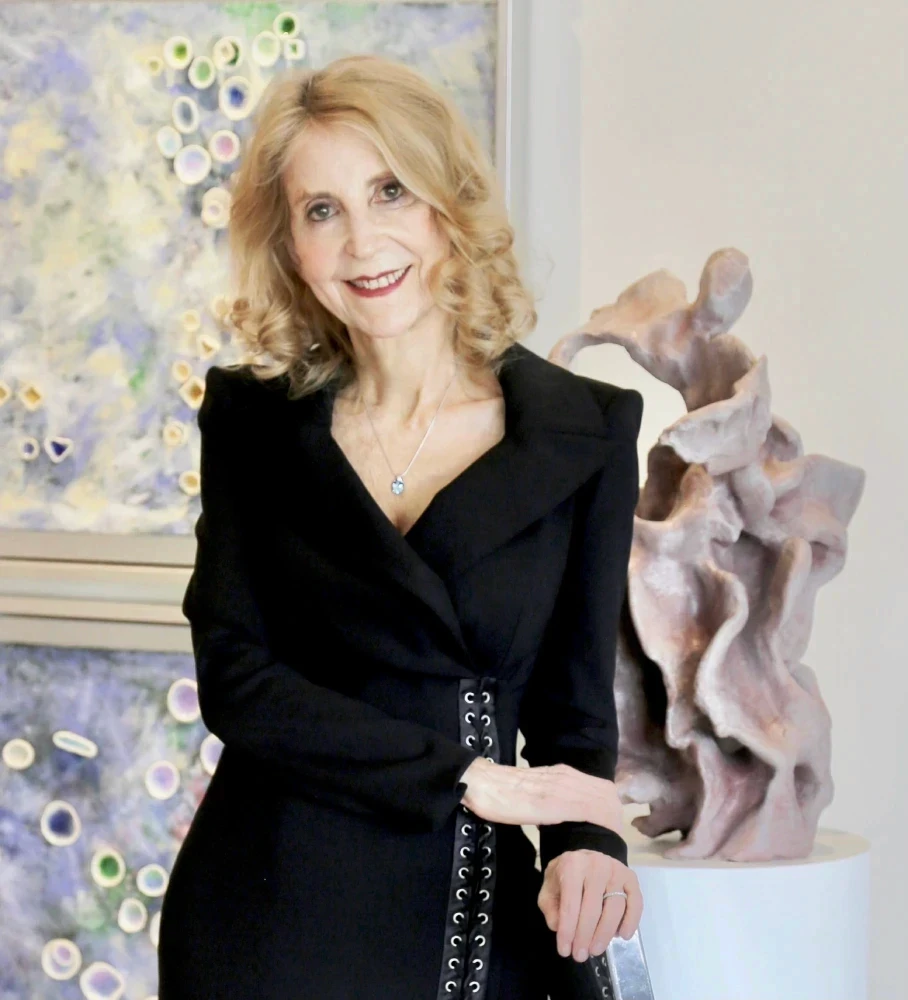
Nancy Ivers
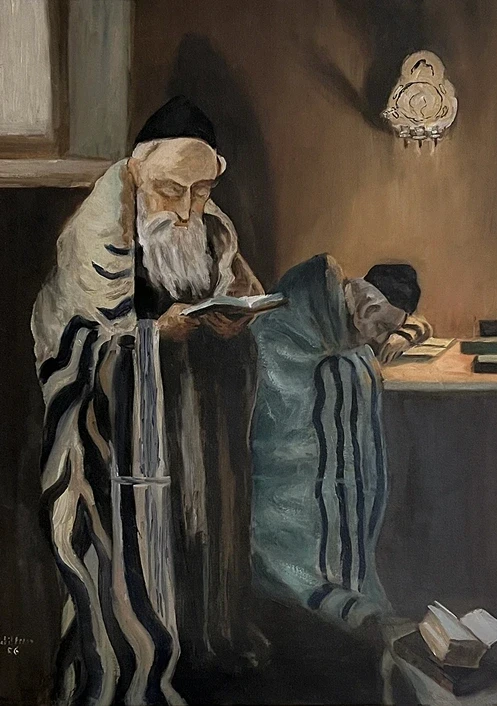
The only piece that survived Hurricane Agnes. Two Rabbis, 1956, oil on canvas board, 20 x 16 in.
I am gratified that the work has found a real resonance, appearing in multiple shows and residing in private collections around the world.
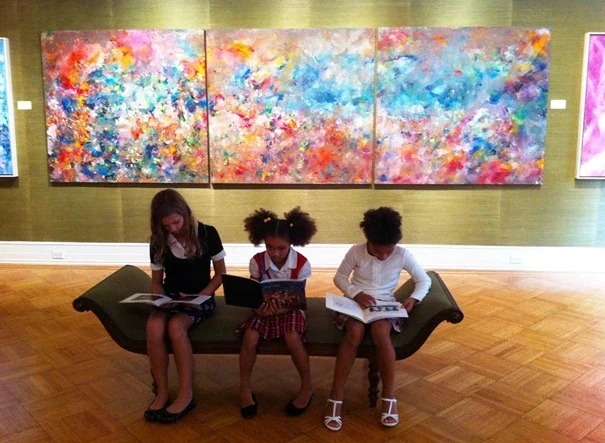
Landscape, 2010, 3 pieces, each 56 x 61 in. Mark Murray Gallery, New York 2013.
Nancy in front of Healing Light, 1988, oil on canvas, 50 x 42 in.
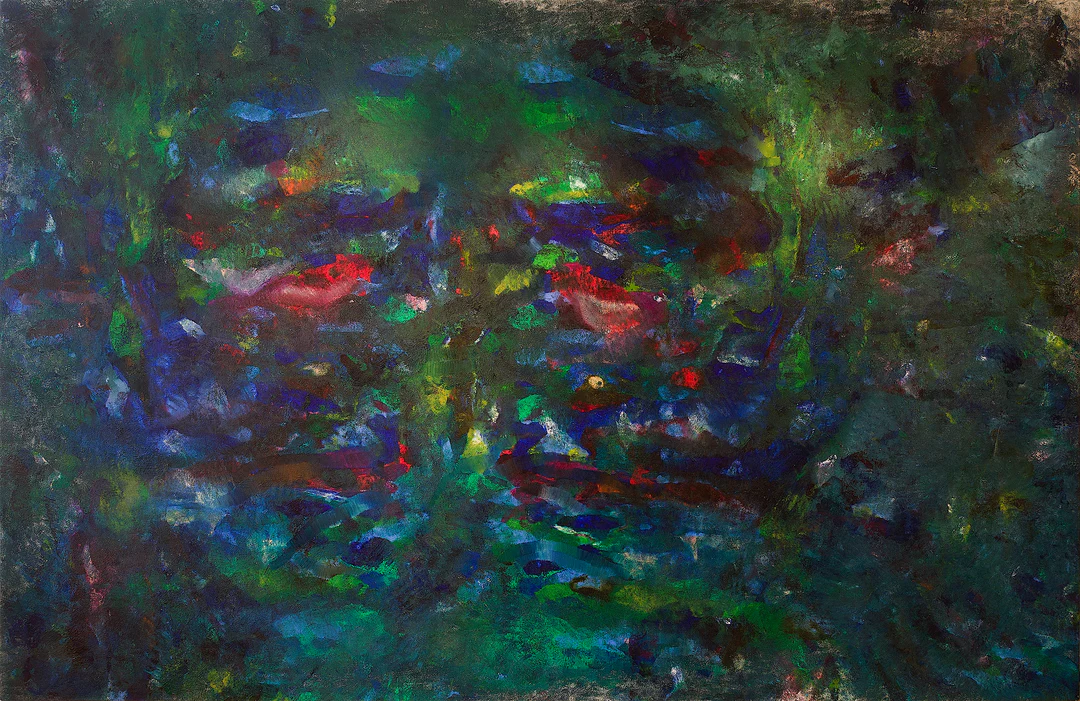
Rainforest, 1992, oil on canvas, 66 x 103 in.
Since then, my work has come to communicate nature and healing, life in progress, the ephemeral nature of our lives.
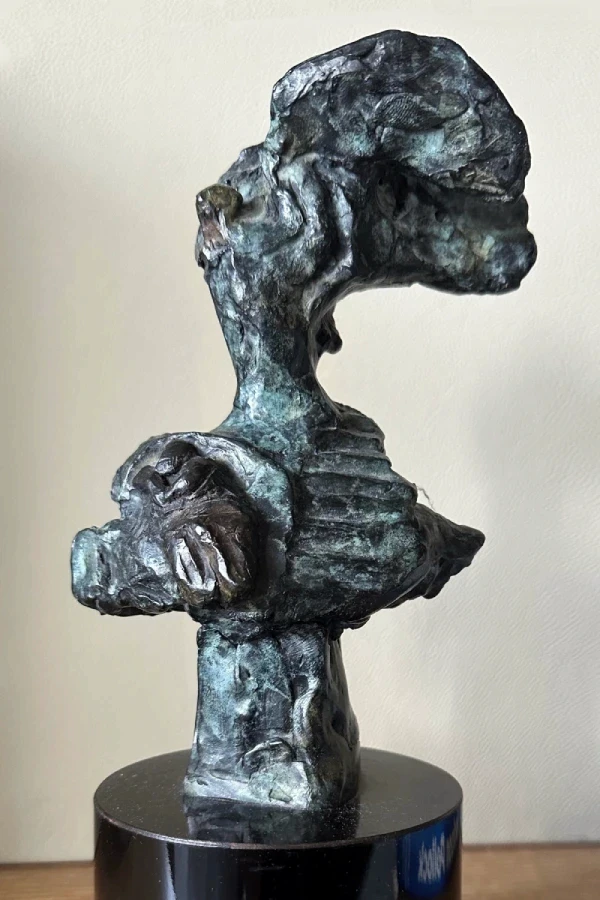
Jacob's Encounter with the Angel, 1992.
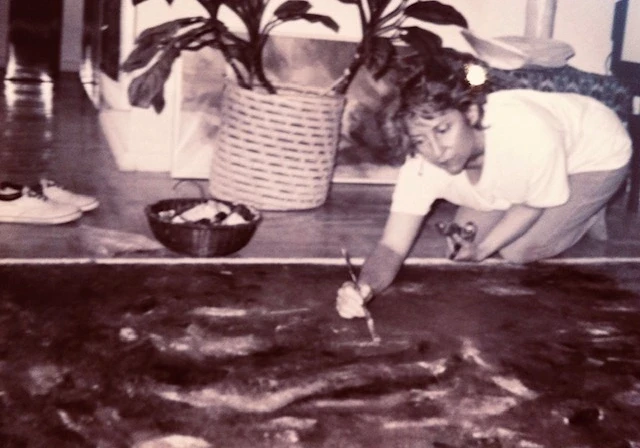
Nancy working on Rainforest, 1992.
Over the next two decades I found small bits of time as a single working mother, with a 2 and 3 year old, to explore my art, working primarily in clay.
I began to realize that my creative imagination was moving forward excitedly. Images were dancing out of my mind. I found a new direction that I couldn’t suppress.
While registered for my Ph.D., and entitled to free courses on campus, I headed to the art department. I built on my technique and began experimenting with 3-dimensional forms in clay and porcelain. I eventually returned to the canvas, painting freely, gradually finding my voice and creating work that was truly mine.
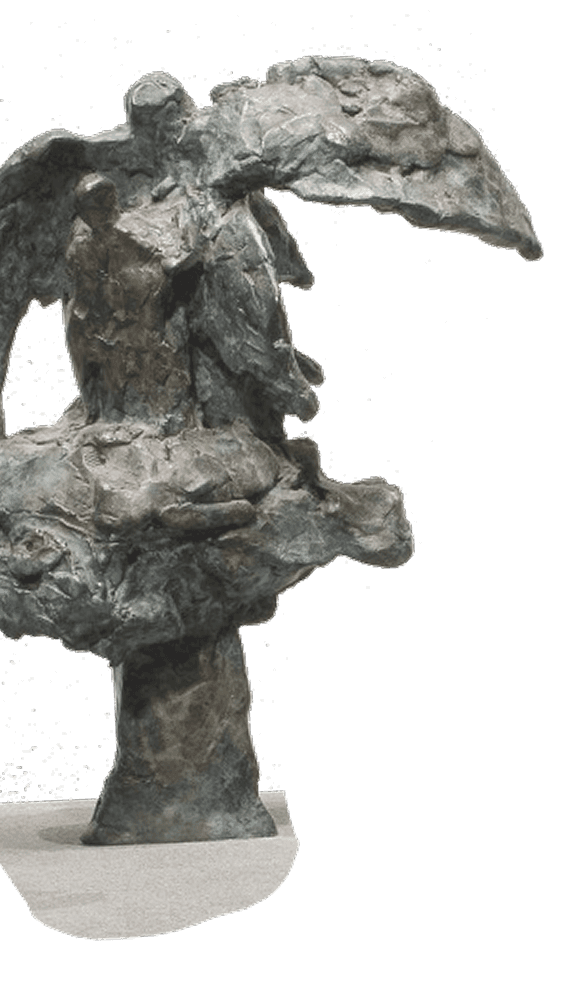
Jacob Struggling with
the Angel, 1992, detail.
Rainforest, 1992, oil on canvas, 66 x 103 in.
Since then, my work has come to communicate nature and healing, life in progress, the ephemeral nature of our lives.
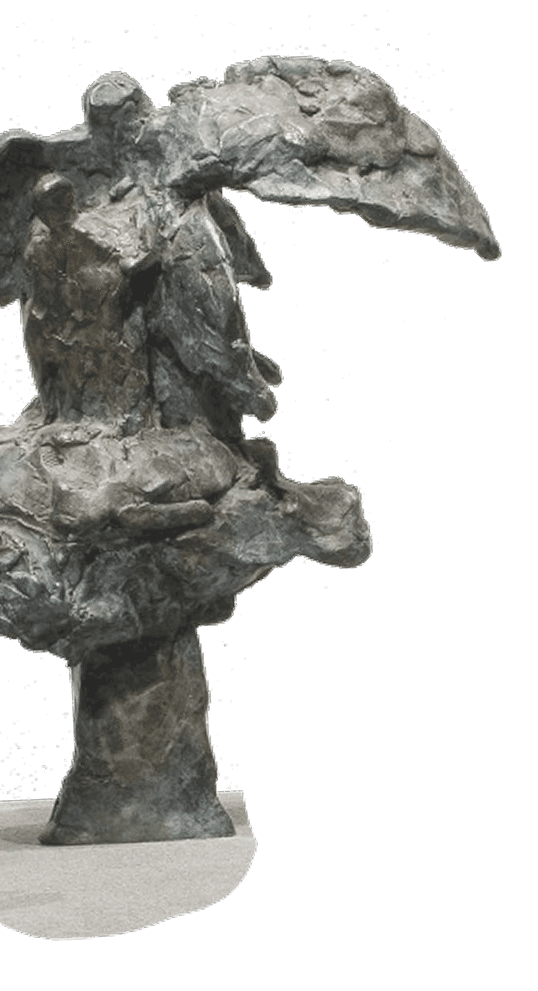
Jacob Struggling with
the Angel, 1992, detail.
Rainforest, 1992, oil on canvas, 66 x 103 in.
Since then, my work has come to communicate nature and healing, life in progress, the ephemeral nature of our lives.
I am gratified that the work has found a real resonance, appearing in multiple shows and residing in private collections around the world.
Landscape, 2010, 3 pieces, each 56 x 61 in. Mark Murray Gallery, New York 2013.